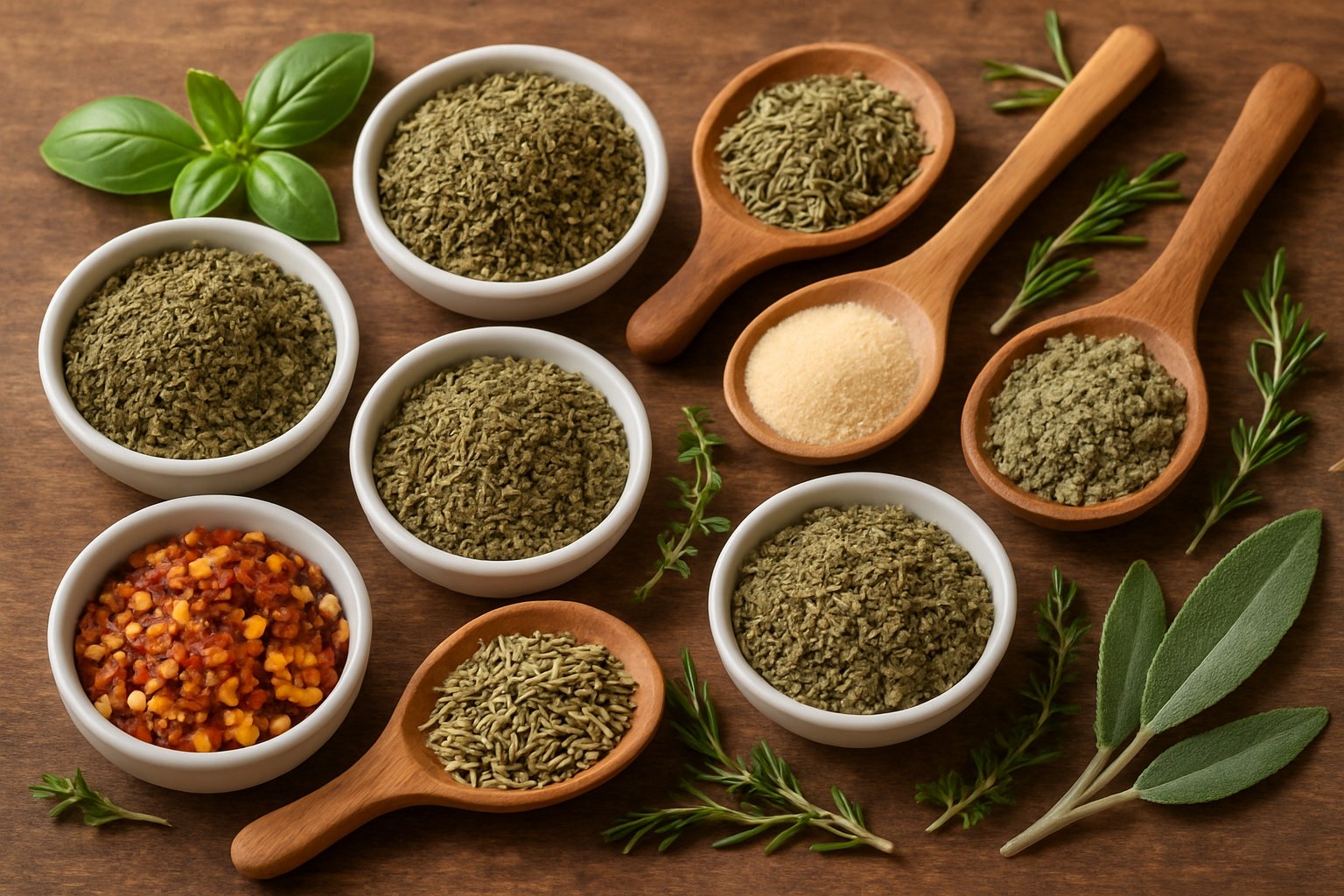
Italian Seasoning Secrets: Core Herbs & How to Personalize Your Blend
The vibrant world of cooking is often elevated by the simplest of additions – a well-chosen spice blend. Among these,
Italian seasoning stands out as a true culinary workhorse, capable of transforming a mundane meal into a symphony of Mediterranean flavors. For many home cooks, it’s a treasured shortcut, a one-stop shop for infusing dishes with that familiar, comforting "Italian" taste. While store-bought blends offer convenience, unlocking the true potential of
Italian seasoning lies in understanding its core components and, better yet, crafting your own personalized mix. The beauty of homemade blends isn't just about freshness and flavor; it's about tailoring every nuance to your specific palate and culinary vision, free from fillers or unwanted additives.
Unveiling the Heart of Italian Seasoning: The Core Herbs
At its essence,
Italian seasoning is a harmonious collection of dried green herbs, each contributing its unique character to the overall blend. These foundational herbs are what give the blend its signature aroma and taste, making it indispensable for a vast array of dishes, from rich red sauces to simple roasted vegetables.
The Essential Quartet: Oregano, Basil, Rosemary, and Thyme
Almost every authentic
Italian seasoning blend will feature these four powerhouses, forming the backbone of its flavor profile:
- Oregano: Often considered the quintessential "Italian" herb, dried oregano brings a bold, pungent, and slightly bitter earthiness. Its robust flavor stands up well to long cooking times, making it ideal for slow-simmered sauces and hearty stews.
- Basil: Sweet, peppery, and subtly anise-like, dried basil introduces a fragrant brightness to the blend. It's crucial for lending that classic sweetness often associated with tomato-based dishes and fresh mozzarella.
- Rosemary: With its distinct piney, woody, and slightly lemony notes, dried rosemary adds an aromatic depth and a touch of sophisticated earthiness. It pairs exceptionally well with roasted meats and root vegetables, cutting through richness with its sharp, clean finish.
- Thyme: Earthy, floral, and savory, dried thyme offers a nuanced, delicate layer to the blend. It's incredibly versatile, complementing both robust and lighter flavors without overpowering them, and its subtle pepperiness adds complexity.
These four herbs create a balanced foundation that is instantly recognizable and universally loved.
Enhancing the Ensemble: Marjoram and Sage
While the quartet forms the core, many superior
Italian seasoning blends elevate the experience by incorporating additional herbs that add further depth and nuance:
- Marjoram: A close cousin to oregano, marjoram is often described as a milder, sweeter, and more delicate version. It brings a gentle floral and citrusy note, softening some of oregano's intensity and adding a refined complexity to the overall blend. If you find oregano a bit too strong, increasing the marjoram can create a beautiful balance.
- Sage: Earthy, slightly peppery, and often described as having a hint of pine or eucalyptus, dried sage introduces a more rustic and savory dimension. It pairs wonderfully with richer ingredients, such as pork, poultry, and creamy pasta sauces, adding a comforting, almost buttery undertone. While optional, it can significantly deepen the blend's character.
Including these additional herbs transforms a good blend into a truly exceptional one, offering layers of flavor that evolve on the palate.
Beyond the Basics: Customizing Your Signature Italian Seasoning Blend
The true secret to a phenomenal
Italian seasoning lies not just in knowing the core herbs, but in daring to make the blend your own. Crafting your mix at home means you control the ratios, the freshness, and any additional ingredients, leading to a seasoning that perfectly aligns with your taste preferences and culinary needs. This personalization is where your kitchen truly comes alive.
Spicing It Up: A Touch of Heat or Garlic Punch
Many commercial
Italian seasoning blends stop at just herbs. However, home blending allows for creative additions that can take your mix to the next level:
- Red Pepper Flakes: For those who appreciate a hint of warmth and a lively kick, adding up to a tablespoon of red pepper flakes can be a game-changer. It introduces a subtle heat that awakens the other flavors without overwhelming them, making it perfect for spicy pasta dishes or pizzas.
- Garlic Powder: Garlic is an undeniable cornerstone of Italian cuisine, so it’s only natural to include it in your seasoning. Adding two tablespoons of garlic powder provides an aromatic depth and savory intensity that complements every herb in the blend. A quick tip: garlic granules can settle at the bottom, so give your blend a good shake or stir before each use to ensure even distribution.
- Salt: While some store-bought blends contain salt, it’s generally advisable to omit it from your homemade Italian seasoning. By leaving salt out, you retain complete control over the sodium content of your finished dish, allowing you to season precisely to taste without inadvertently over-salting.
Adjusting Ratios and Exploring Other Herbs
The beauty of homemade extends to playing with proportions. Do you prefer more basil sweetness, or a stronger oregano punch? You can easily adjust the amounts of each herb. For example, if marjoram isn't readily available, you can simply increase the amount of oregano for a similar, though slightly bolder, effect. Experimentation is key! You might even consider a pinch of dried parsley for a fresh, grassy note or a touch of savory for a peppery, slightly bitter edge. The goal is to create a blend that sings to *you*. For a deeper dive into crafting your perfect mix, explore our guide:
Craft Your Own Italian Seasoning: Fresh Flavors, Zero Fillers.
Unlocking Flavor Potential: Versatile Uses for Your Italian Seasoning
Once you've mastered your unique blend, the next step is to unleash its full potential in your kitchen.
Italian seasoning is incredibly versatile, far exceeding its obvious applications in pasta and pizza. It’s a flavor booster that can elevate nearly any meal.
From Classic Italian Dishes to Everyday Meals
This dynamic herb mix is a must-have for a wide range of culinary adventures:
- Italian-American Classics: Naturally, it shines in red sauces (marinara, Bolognese), lasagna, chicken parmesan, baked ziti, and sprinkled over a freshly made pizza or an Italian sub. It’s also fantastic in ricotta and mozzarella-based dishes.
- Roasted & Grilled Delights: Toss it with olive oil over roasted vegetables (potatoes, zucchini, bell peppers, carrots) for an instant flavor upgrade. It’s equally excellent as a rub or marinade for all kinds of meats – chicken, beef, pork, or fish – before grilling, roasting, or sautéing.
- Soups, Stews & Casseroles: Stir it into minestrone, tomato soup, or any hearty stew for added depth. It instantly elevates comfort food like casseroles, providing a foundational herby flavor.
- Dressings & Dips: Whisk it with olive oil and red wine or balsamic vinegar for a vibrant homemade Italian dressing. Sprinkle it into a bowl of good olive oil for an easy, flavorful bread dip.
- Quick Flavor Boosts: Mix it into softened butter for garlic bread or brush it on breadsticks, French bread, or focaccia. Sprinkle it over popcorn, baked potatoes, or even scrambled eggs for an unexpected herby twist.
The possibilities are truly endless. For more creative ways to incorporate your homemade blend into your cooking, check out:
Elevate Every Meal: Versatile Uses for Your Homemade Italian Blend.
Maximizing Freshness and Shelf Life
Making your own
Italian seasoning is an investment in flavor, and proper storage ensures that investment pays off for months to come. Dried herbs, when stored correctly, maintain their potency for a significant period, but their volatile oils do diminish over time.
To keep your homemade
Italian seasoning at its peak, store it in an airtight container, such as a glass jar with a tight-fitting lid. Place it in a cool, dry, and dark cupboard or pantry, away from direct sunlight and heat sources like the stove or oven. This environment helps prevent the herbs from degrading quickly. While your blend will technically be safe to use for much longer, its flavor will gradually begin to fade after about six months. For the most vibrant and impactful taste, aim to use your blend within this timeframe. Buying your individual dried herbs in bulk from a grocery or restaurant supply store can be a cost-effective way to ensure you always have fresh ingredients on hand for your next batch.
Conclusion
The journey into
Italian seasoning secrets reveals that this beloved blend is far more than just a convenience product. It’s a carefully balanced symphony of dried herbs, with oregano, basil, rosemary, and thyme forming its resonant core, often enriched by marjoram and sage. While its traditional uses are abundant, the true magic unfolds when you take control – customizing with a dash of garlic, a hint of spice, or your preferred herb ratios. By understanding its components and embracing the simple art of home blending, you not only ensure unparalleled freshness and flavor but also unlock a world of culinary creativity. So, gather your herbs, mix your blend, and transform your everyday cooking with the bold, herbaceous taste of your very own signature
Italian seasoning.