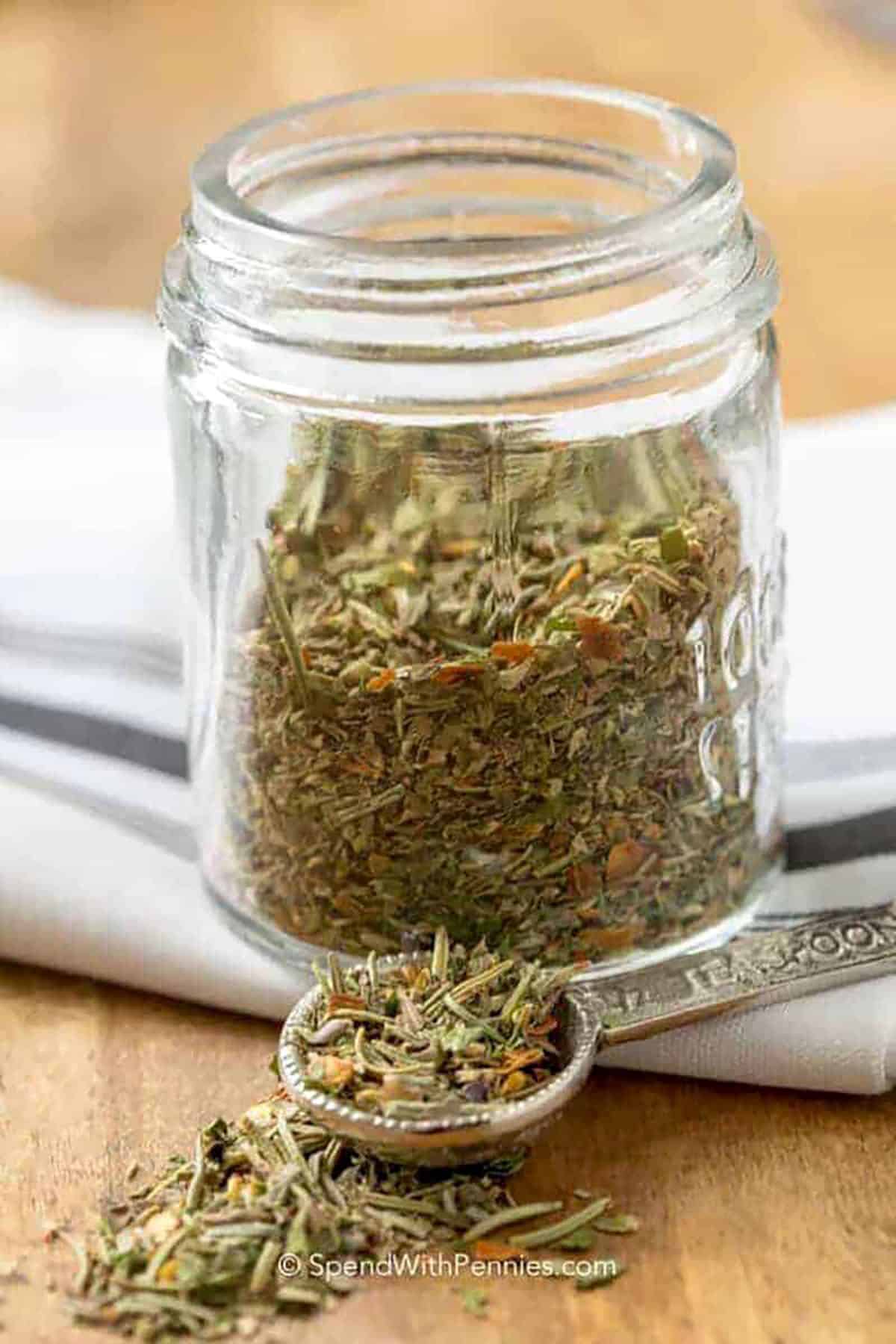
Craft Your Own Italian Seasoning: Fresh Flavors, Zero Fillers
Imagine a spice drawer meticulously organized, brimming with aromatic treasures. While single-origin spices have their distinct charm, the true workhorses of day-to-day cooking are often versatile seasoning blends. They’re a secret weapon, transforming ordinary ingredients into extraordinary meals with just a sprinkle. Among these kitchen staples, few are as beloved and indispensable as Italian seasoning. Far from being a mere convenience item, a homemade blend offers unparalleled freshness, flavor, and the freedom to customize.
For too long, many of us have relied on pre-mixed store-bought options that, while convenient, often contain unnecessary fillers, anti-caking agents, and sometimes an excessive amount of salt. But what if you could create your own vibrant, robust Italian seasoning at home? It’s not only incredibly simple but also guarantees a depth of flavor that a store-bought jar simply can't match. This article will guide you through crafting your own signature Italian seasoning, ensuring every dish you create sings with authentic, fresh notes, free from any unwanted extras.
Why Ditch Store-Bought for Homemade Italian Seasoning?
The allure of store-bought spice blends is undeniable: convenience. Yet, once you experience the difference a homemade blend makes, you'll wonder why you ever settled for less. Making your own
Italian Seasoning Secrets: Core Herbs & How to Personalize Your Blend offers a multitude of benefits that elevate your cooking and your spice game.
First and foremost is **unrivaled freshness and flavor intensity**. Dried herbs, like any pantry staple, lose potency over time. Store-bought blends often sit on shelves for extended periods, meaning you might be starting with herbs that have already begun to fade. When you make your own Italian seasoning, you're using herbs at their peak, ensuring a vibrant, aromatic burst in every dish. This freshness translates directly into a more pronounced, complex flavor profile that genuinely enhances your food.
Secondly, and perhaps most importantly, is the ability to achieve a **"zero fillers" guarantee**. Many commercial blends include ingredients like silicon dioxide (an anti-caking agent), rice concentrate, or even undisclosed "natural flavors." By crafting your own blend, you control every single ingredient. There are no mysterious additives, just pure, wholesome herbs. This not only results in a cleaner flavor but also ensures you're feeding your family only the best.
Finally, **customization is key**. Do you love a little extra kick? Or perhaps a deeper, more earthy undertone? With homemade Italian seasoning, you are the master chef. You can adjust ratios, add special ingredients, and tailor the blend precisely to your family's preferences or the specific dish you're preparing. This level of personalization is simply impossible with pre-packaged options. Moreover, buying quality dried herbs in bulk for your Italian seasoning can be surprisingly **cost-effective** in the long run, offering more bang for your buck compared to small, pre-mixed jars.
The Essential Herbs for Your Signature Italian Seasoning Blend
The heart of any great Italian seasoning lies in its classic blend of dried green herbs. These foundational ingredients work in harmony to create that distinctive aromatic profile we all know and love. While exact ratios can vary and personal preferences play a role, most authentic blends share a common core.
The essential quartet that forms the backbone of almost every Italian seasoning includes:
- Dried Oregano: This is often the dominant herb, contributing a bold, earthy, and slightly bitter flavor that is quintessential to Italian-American cuisine.
- Dried Basil: Offering a sweeter, peppery, and highly aromatic note, basil adds a bright, slightly anise-like freshness to the blend.
- Dried Rosemary: With its piney, woody, and slightly lemony undertones, rosemary provides a robust and fragrant depth that stands up well to longer cooking times.
- Dried Thyme: Earthy, minty, and subtly lemon-scented, thyme contributes a delicate yet complex layer of flavor that complements the stronger herbs.
Beyond these core four, many traditional and homemade Italian seasoning blends incorporate additional herbs that add further layers of complexity and nuance. These often include:
- Dried Marjoram: Closely related to oregano, marjoram offers a similar but milder, sweeter, and more delicate flavor profile, rounding out the pungency of oregano.
- Dried Sage: Lending an earthy, slightly peppery, and subtly bitter note, sage adds a wonderful depth, especially when paired with roasted meats or hearty vegetables.
While these are the commonly found herbs, remember that your blend is ultimately yours. If you're missing one of the optional herbs, or simply prefer more of another, feel free to adjust. The beauty of crafting your own Italian seasoning is the freedom to experiment and find your perfect balance.
Beyond the Basics: Customizing Your Italian Seasoning
Once you have mastered the essential blend, the real fun begins: customizing your Italian seasoning to create a truly unique signature mix. This is where your homemade blend truly shines, allowing you to tailor it to your specific tastes or to the demands of a particular recipe.
Here are some popular additions and variations to consider:
- A Spicy Kick: For those who love a bit of heat, adding red pepper flakes can transform your Italian seasoning. Start with about 1 teaspoon for a subtle warmth and increase up to 1 tablespoon for a noticeable punch. Remember, a little goes a long way!
- Garlic Lover's Delight: If you find yourself reaching for garlic powder in almost every savory dish, incorporate it directly into your blend. A good starting point is 2 tablespoons of garlic powder. Ensure you mix it thoroughly before use, as the granules can settle at the bottom of the container.
- Onion Powder: For an additional layer of savory depth, onion powder can be a fantastic inclusion. It adds a gentle sweetness and umami without the crunch of fresh onion.
- Fennel Seeds: A pinch of crushed fennel seeds can introduce a subtle anise-like flavor, particularly delightful in sausage-based dishes or certain pasta sauces.
- Salt Considerations: Many store-bought blends include salt. For your homemade Italian seasoning, it's generally best to omit salt from the blend itself. This gives you greater control over the sodium content of your finished dish, allowing you to season ingredients separately and to taste.
Experiment with ratios and different combinations. For example, if you're not a fan of sage, you can simply leave it out or replace it with a bit more marjoram or oregano. The goal is to create a blend that perfectly complements your cooking style and palate.
Mastering the Mix: Simple Steps to Your Perfect Italian Seasoning
Creating your own Italian seasoning is incredibly straightforward, requiring just a few minutes of your time and a well-stocked spice cabinet. The quality of your final blend hinges on the freshness of your individual herbs and proper storage.
**1. Gather Your High-Quality Herbs:**
Start by sourcing fresh, high-quality dried herbs. Ideally, purchase them from a reputable spice shop or a store with high turnover to ensure maximum potency. Buying in bulk can be cost-effective and ensures you have enough on hand for future batches. If any of your herbs are whole (like rosemary needles), you might want to gently crush them between your fingers or with a mortar and pestle to release their oils and ensure an even distribution in the blend.
**2. Precise Measurement:**
Using accurate measuring spoons is crucial for maintaining consistency in your blend. While you can adjust ratios to your liking, starting with a standard recipe gives you a solid foundation. For instance, a common starting point might be 2 tablespoons each of oregano, basil, and thyme, with 1 tablespoon of rosemary, and 1/2 tablespoon each of marjoram and sage.
**3. Thoroughly Combine:**
Once all your chosen herbs and optional additions (like garlic powder or red pepper flakes) are measured out, combine them in a small bowl. Use a spoon or whisk to mix them thoroughly. The goal is an even distribution of all ingredients, so every sprinkle delivers a balanced flavor. Don't rush this step; a well-mixed blend ensures consistent flavor every time.
**4. Optimal Storage for Lasting Freshness:**
Proper storage is paramount for preserving the flavor and aroma of your homemade Italian seasoning. Transfer the freshly mixed blend into an
airtight container. Glass jars with tight-fitting lids are ideal, as they don't absorb odors and keep moisture out. Store your container in a
cool, dry place away from direct sunlight and heat – your spice drawer or pantry is perfect. Avoid storing it near the stove, as heat and humidity can degrade the herbs quickly.
While your homemade Italian seasoning will remain "good" for up to six months, its flavor will gradually diminish over time. After this period, you might notice a less potent aroma and taste. It's still safe to use, but you might need to add a bit more to achieve the desired flavor intensity. For optimal results, aim to use your blend within six months and consider making smaller, more frequent batches.
Unleash the Flavor: Culinary Applications for Your Homemade Italian Seasoning
Your freshly crafted Italian seasoning is a powerhouse of flavor, ready to transform countless dishes from good to absolutely glorious. Its versatility knows few bounds, making it a true go-to in any kitchen. From classic Italian-American comfort food to everyday weeknight meals, this blend promises an herbaceous punch that delights the palate. If you want even more ideas, check out
Elevate Every Meal: Versatile Uses for Your Homemade Italian Blend.
Here are just a few ways to integrate your homemade Italian seasoning into your cooking:
- Italian-American Classics: This blend is a must for red sauces, meatballs, lasagna, cheesy pasta dishes, and homemade pizzas. Sprinkle it generously into simmering marinara, mix it into your ground meat for an authentic flavor, or dust it over your next pizza before baking.
- Roasted & Grilled Delights: Transform roasted vegetables like zucchini, bell peppers, potatoes, or broccoli by tossing them with olive oil and a healthy dose of Italian seasoning before roasting. It also works wonders as a rub for grilled or roasted chicken, pork, beef, or even fish.
- Soups, Stews & Casseroles: Add an instant flavor upgrade to almost any savory dish. Stir it into minestrone, lentil soup, or a hearty beef stew. It’s also fantastic in chicken and rice casseroles or baked pasta dishes.
- Dressings, Dips & Marinades:
- Whisk it into a simple vinaigrette with olive oil and red wine vinegar for an incredible homemade Italian dressing.
- Mix it with olive oil for an easy, flavorful dip for crusty bread.
- Combine it with olive oil, lemon juice, and a touch of garlic for a vibrant marinade for chicken or seafood.
- Everyday Flavor Boosts:
- Sprinkle it on popcorn or baked potatoes for an herby twist.
- Mix it into melted butter and brush it over breadsticks, French bread, or focaccia before baking for instant garlic bread.
- Stir it into scrambled eggs or an omelet for an aromatic breakfast.
- Use it to season cold-cut sandwiches or even a simple grilled cheese.
The key is to remember that Italian seasoning pairs beautifully with rich, savory flavors, as well as acidic elements like red wine vinegar and lemon, and mild cheeses such as ricotta and mozzarella. Don't be afraid to experiment! This versatile blend is designed to be your culinary companion.
Crafting your own Italian seasoning is a small step that yields significant rewards in your kitchen. From the peace of mind knowing exactly what’s in your food to the sheer delight of fresh, vibrant flavors, this homemade blend is a game-changer. It’s an act of culinary empowerment, allowing you to infuse your dishes with authentic taste, free from fillers, and perfectly tailored to your palate. So, gather your herbs, mix up a batch, and prepare to elevate every meal with your signature touch. Your taste buds—and your cooking—will thank you.